Newsletter Subscribe
Enter your email address below and subscribe to our newsletter

 ByJohn A
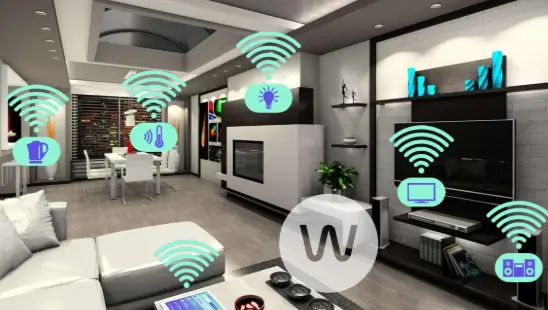
Artificial intelligence is reshaping home automation by enabling devices to learn user patterns and interpret context. Systems anticipate needs, optimize routines, and reduce manual input. Data-informed coordination among sensors, cameras, and feedback loops drives proactive comfort and energy efficiency while raising privacy considerations. Choices about AI capabilities balance automation impact, user control, and sustainability goals, favoring scalable, privacy-conscious models. The result is a quieter, more adaptive home—yet the path forward remains nuanced and unresolved.
Artificial intelligence enhances home automation by enabling devices to interpret context, learn user preferences, and anticipate needs. The system analyzes patterns from sensors, cameras, and feedback to optimize routines without constant input.
This data-informed coordination boosts data privacy considerations and energy efficiency, aligning autonomy with security. Operators gain scalable control, while devices execute adaptive workflows that conserve resources and support a proactive, freedom-centric lifestyle.
Deciding which AI features to deploy hinges on balancing automation impact with user control, privacy, and energy goals. Selecting capabilities hinges on measurable benefits and risk, not hype.
Energy auditing informs consumption patterns, while modular privacy adjustments mitigate exposure. Evaluate interoperability, data retention, and consent mechanisms. The goal: scalable automation that respects user autonomy, reduces waste, and clarifies privacy tradeoffs for informed choices.
See also: What the Next Generation of Blockchain Technology Could Look Like
From data to comfort, AI-driven scenarios translate raw sensor inputs, user preferences, and environmental signals into actionable automation that enhances daily living without overstepping privacy or control.
The approach weighs data ethics and privacy tradeoffs while pursuing efficiency gains and user personalization, enabling adaptive routines.
This framework supports freedom-conscious automation, where systems optimize comfort without compromising autonomy or consent.
In smart homes, AI-driven systems must balance energy efficiency, robust security, and user privacy as core performance metrics, rather than afterthought constraints.
Evaluating impact reveals tradeoffs between optimizing consumption and preserving confidentiality; quantifiable metrics assess threat surfaces, latency, and resilience.
Privacy tradeoffs surface when data sharing improves models, while data minimization limits personalization but strengthens trust and control over personal information.
AI assists budget management for smart homes through automated budget forecasting and energy forecasting, enabling proactive spending adjustments. The system analyzes usage patterns, detects inefficiencies, and offers actionable insights, supporting users who value autonomy while optimizing long-term cost control.
In an emerging market, a hypothetical starter kit — bundled smart bulbs, a voice assistant, and a budget-friendly hub — illustrates beginner-friendly AI devices. startup devices, AI beginners. The analysis highlights usability, privacy, and scalable growth for freedom-loving users.
AI systems mitigate false positives via threshold tuning, multi-sensor fusion, and continual learning; awareness of AI bias prompts regular audits, cross-validation, and anomaly checks. This practice supports user autonomy, transparency, and trustworthy automation.
AI integration enables some AI-powered systems to interface with existing non-smart appliances via hubs, bridges, or retrofittable modules, though outcomes vary. Non smart compatibility depends on protocols, power sensing, and update access, with security considerations guiding integration choices.
In allegory, a watchful lantern guards a village: privacy leakage rises when data collection glows, cloud dependency deepens, and device licensing restricts access, forcing trade-offs between freedom and convenience as consumers weigh trust against utility.
As homes increasingly deploy intelligent systems, the convergence of sensing, learning, and automation reshapes daily life with precise, context-aware actions. A striking stat emerges: energy management enabled by AI can cut household consumption by up to 15–30% in optimized setups. This statistic underscores how data-informed coordination translates into tangible efficiency gains while maintaining privacy safeguards. The trajectory is clear: scalable, privacy-conscious AI models will drive smarter comfort and measurable sustainability across diverse living environments.